The root canal treatment generally saves the tooth from serious infection. Many people are concerned about its future; however, the real twist comes after the procedure is over. Long-term results require simple habits rather than complex routines. A treated tooth can keep up its strength for decades if properly taken care of. Daily choices shape how great your smile holds up.
This blog shares clear maintenance tips that you can follow easily. These steps help you protect your investment and enjoy worry-free comfort.
Understanding Your Root-Canal-Treated Tooth
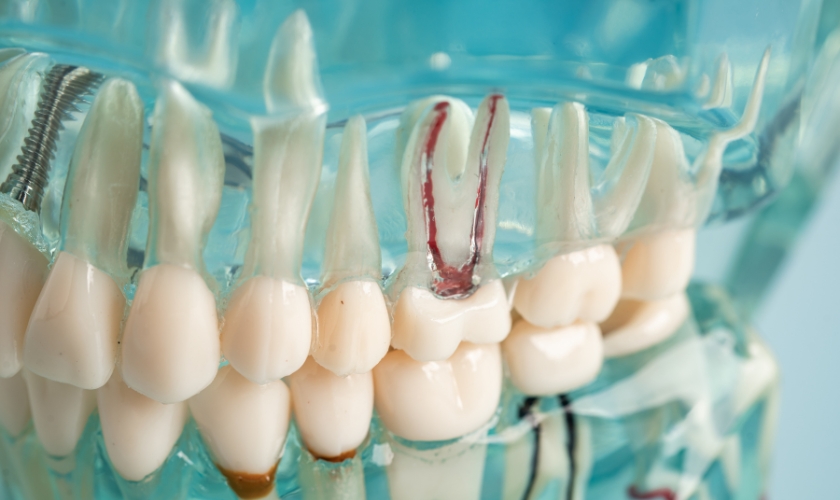
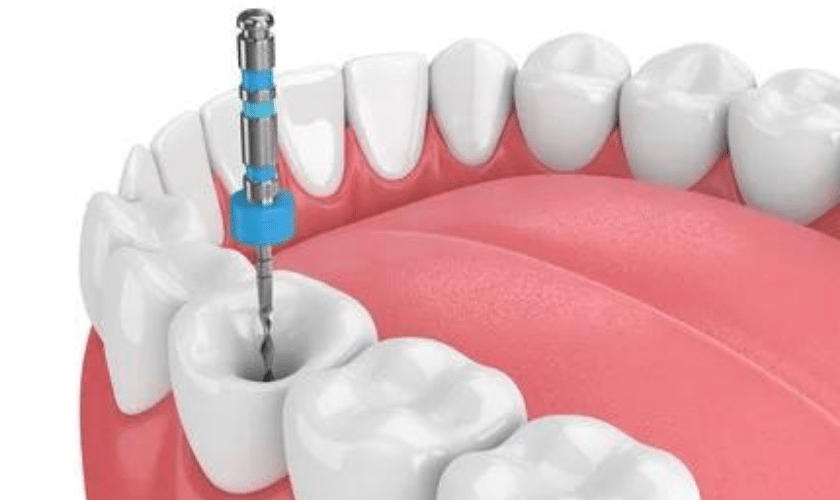
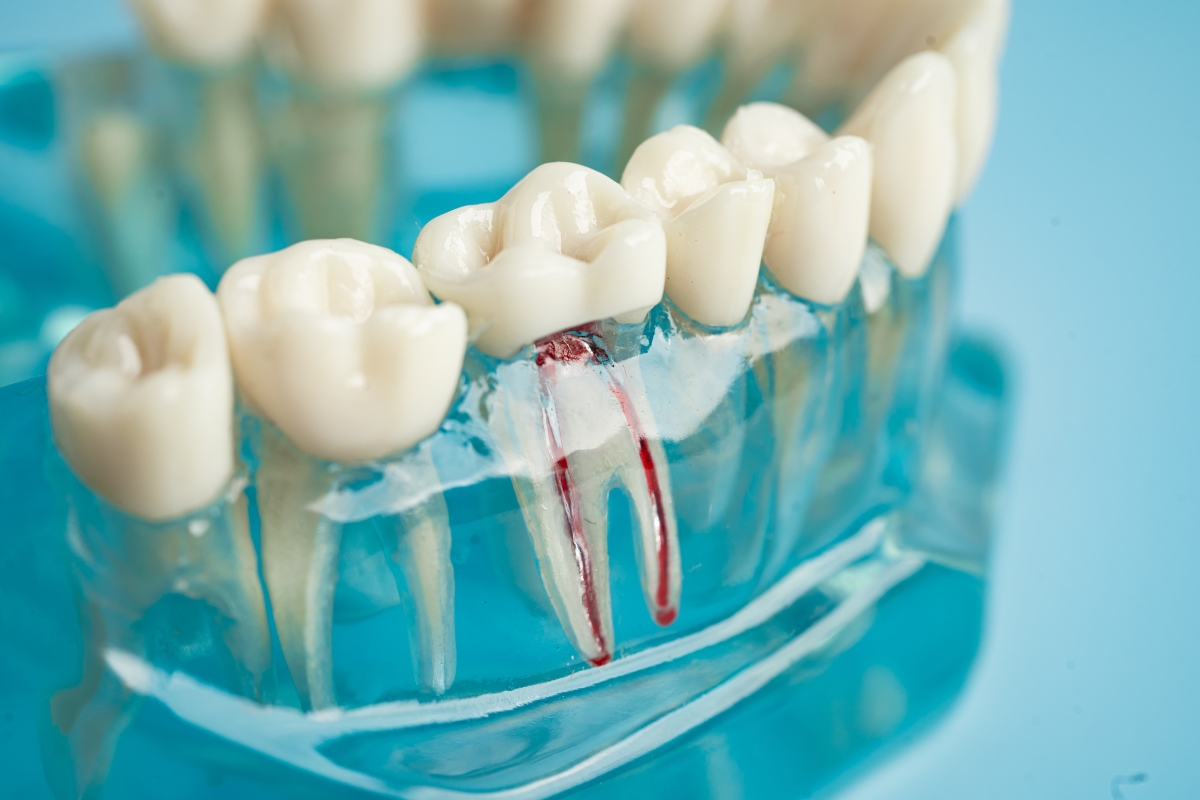
Root canal treatment eliminates infected pulp, cleans out the space, and then seals the tooth. The interior is rendered safe, but the external structure remains to be safeguarded. A treated tooth gradually weakens if one does not institute proper habits. Build-up of bacteria may cause other problems. Poor hygiene may further cause cracks or re-infection.
This understanding will go a long way toward helping you take better care of your restored tooth. Simple awareness propels anyone toward better daily choices. Your long-term health depends on how well you take to your dental work.
The Importance of a Proper Dental Crown
Many root canal treatments require supplementation by a solid dental crown for support. The dental crown shields the tooth from tension and daily abrasion. A properly fitted crown is stable and comfortable to chew on. If it feels loose or rough, it may need attention soon.
Cracks or chips mean that it is time for replacement. A healthy crown boosts strength and keeps the restored tooth secure. Regular checks enable you to catch problems in their early stages. Care of the crown is key to long-term success.
Daily Habits That Protect Your Treated Tooth
Root canal treatment in Salt Lake City is most effective when you correctly brush and floss. A soft-bristled brush cleans your teeth without putting stress on the treated tooth. Fluoride toothpaste strengthens the enamel of the restored area. Gentle flossing helps you remove plaque where brushes cannot reach. Good technique protects the tooth daily.
Avoid detrimental habits that put stress on the tooth. Hard objects may crack or fracture the crown. Ice, nuts, and all other hard snacks place undue stress. Teeth should never be used to open packages or to bite into hard objects.
Smart food choices support your long-term health. Softer foods protect the crown from sudden impact. Sticky snacks increase the risk of plaque buildup. Water helps wash away debris and maintain moisture in your mouth.
Each small choice adds strength to your results. Every routine matters when you want decades of stability. Good habits go hand in hand with root canal treatment for long-lasting comfort.
Protection at Night Time Matters
Root canal treatment is aided by the use of night guards if one grinds or clenches teeth. Grinding causes stress and weakens the restored area. The crown can be damaged over time due to pressure. A night guard will absorb this strain and protect your smile. Jaw pain or morning headaches are often signs of grinding. Tooth sensitivity may also hint at nighttime clenching.
All these signs mean you should get in touch with your dentist as soon as possible. The earlier the support is provided, the less the damage, and the stronger the long-term results.
Regular Dental Visits Keep Problems Away
Root canal treatment is considered successful if you continue with regular check-ups. Your dentist will check the crown, existing tooth structure, and surrounding gum tissue. This will help you detect any minor problems before they build up.
Dentists look for signs of cracks, wear, or early signs of reinfection. Professional cleaning reinforces daily cleaning. The early stage of care avoids fractures and retreatment.
Good monitoring ensures lasting comfort and long-term success. Regular visits will keep your restored tooth safe.
Red Flags You Shouldn’t Ignore
If you suddenly develop sensitivity or have swelling, then root canal treatment requires your attention. If it hurts to bite, that means something has happened further inside. Another reason for visiting a dentist would be when a crown does not feel even or feels loose.
This is something that should never wait. Quick action will keep your restored tooth from long-term damage.
The earlier the contact, the less the development of bigger problems. Fast treatments will allow you to keep your smile stable. By being aware, you will avoid unwanted complications and be comfortable each day.
How Long Root-Canal-Treated Teeth Typically Last
If done with the proper habits, a root canal treatment in Salt Lake City can last for decades. Good oral hygiene and intelligent choices have a lot of impact on making this happen. Long-term success is influenced by diet, grinding, and dental care in general.
Regular monitoring improves the life expectancy of your tooth. Long-lasting, trouble-free results are common for many patients. Dedication to proper care will allow you to maintain your restored tooth in continued health. Consistency ensures long-lasting comfort and stability. The right routine supports your smile for a lifetime.
Success with root canal treatment is maintained by protecting the restored tooth every day. Small choices create long-lasting results and keep your smile strong. Brush well, avoid harmful habits, watch for signs, and schedule routine exams.
Simple steps provide powerful protection. Then, schedule a visit with your dental clinic and confirm that the restored tooth is stable. Ask questions, plan your care, and have confidence in your dental health. Strong maintenance ensures comfort and peace of mind for decades.
FAQs
What is the best way to ensure my treated tooth lasts decades?
Follow strong daily hygiene, protect the crown, avoid harmful habits, use a night guard if needed, and visit your dentist regularly.
Can mouthwash help maintain a root-canal-treated tooth?
Yes, alcohol-free mouthwash reduces bacteria and supports gum health. It adds an extra layer of protection around the treated area.
How can I protect my crown during daily activities?
Brush gently, floss carefully, avoid hard foods, skip using teeth as tools, and stay hydrated. These habits protect the crown.
Can I use teeth whitening products on a treated tooth?
Whitening does not change the color of a crown or treated tooth. Ask your dentist for cosmetic options.
Does smoking affect a root-canal-treated tooth?
Smoking weakens gum health and slows healing. It increases the risk of infection and reduces long-term success.